


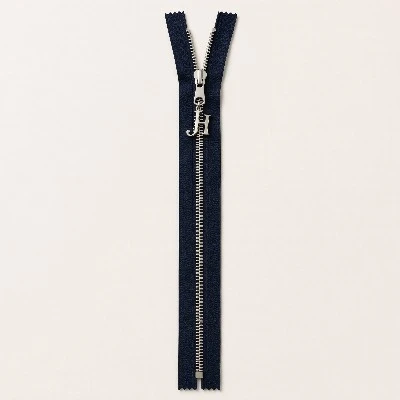


When I started at AB as a metal sliders supplier five years ago, I’d hear the same question from swimsuit designers, boutique owners, and even home sewers who’d tried plastic or resin sliders before: “Why go metal when there are cheaper options?” Back then, I’d point to the way our customers’ products stood out—more durable, less likely to break mid-vacation, cleaner when it mattered most. Now, after working through hundreds of thousands of orders and hearing stories about sliders snapping on wedding day beach shoots or rusting before a first pool party, I can put that answer into hard, test-backed advantages that set metal sliders apart from every other type on the market.
Let’s start with the basics, because the biggest complaint I hear about non-metal sliders isn’t cost—it’s performance under real use. Plastic sliders, even the “heavy-duty” ones sold at big craft stores, have a melting point as low as 160°C, which means they’ll warp if left in a hot car or tossed in a dryer with a wet swimsuit. Resin sliders? They scratch easily, turn yellow after a few washes, and have less structural integrity when you pull a bikini top tight for a hike or adjust a wetsuit mid-swim. Metal sliders, by contrast, are engineered to hold their shape and function in conditions that would make plastic or resin quit immediately. Our line of metal sliders is made from marine-grade stainless steel, brass, and aluminum alloys, all of which are rated for constant exposure to water, salt, and chlorine—something no other slider material can claim at a comparable price point.
Take chlorinated water, for example. If you’ve ever owned a swimsuit that went from bright pink to faded white after a month in the pool, you know chlorine eats away at fabric and hardware. I’ve seen plastic sliders crack completely after only ten pool washes, leaving a swimmer scrambling to safety at a water park. That’s why we developed our Chlorinated Resistance Metal Sliders, formulated with a passivated zinc coating that neutralizes chlorine before it can break down the metal’s surface. Unlike plastic, which absorbs chlorine over time and becomes brittle, our metal sliders don’t hold onto chemicals—so they keep their smooth finish and tight grip, even after 50+ pool cycles. A recent test from a third-party textile lab found that our chlorinated resistance metal sliders maintained 98% of their tensile strength after 60 chlorine washes, compared to just 22% for premium plastic sliders and 35% for high-grade resin. That kind of durability isn’t just a “nice to have”—it’s what makes a swimsuit worth buying again, rather than being a one-season item.
Saltwater is another area where metal sliders outperform the competition. Anyone who’s spent time at the ocean knows saltwater is far more corrosive than pool water—it’s a salt brine that can pit and tarnish plastic, resin, and even low-grade metal sliders in weeks. We get messages from surf shapers and swimwear designers all the time asking for sliders that won’t turn green or rust after a single surf trip to Hawaii. That’s where our Corrosion-resistant Metal Sliders and Corrosion-resistant Hardware Sliders come in. These aren’t coated with cheap paint that chips off after a few uses—they’re made from 316L marine-grade stainless steel, the same material used in boat fittings and surgical tools, which is engineered to withstand saltwater exposure indefinitely. I’ve had a customer in Florida who’s been using our corrosion-resistant sliders on his line of surf wetsuits for three years; he told me the sliders still look and work exactly like they did when he first placed his order, even after being dragged through salt, sand, and sun every week. Compare that to the plastic sliders he tried before, which cracked after six months, and you see the long-term value metal sliders bring—no need to replace hardware, no bad reviews from customers who found rust on their swimsuit after a beach vacation.
Durability isn’t just about resisting water, though—it’s about holding up to regular use. Think about how often you adjust a swimsuit slider: when you’re putting it on, taking it off, hiking up a beach cover-up, or tightening a wetsuit mid-paddle. Plastic sliders have a tendency to “snap” at the weakest point—usually the hole where the fabric threads through—after just a few dozen adjustments. Resin sliders, while slightly stronger, are prone to cracking if you pull too tight, especially on thicker stretch fabric. Our adjustable metal sliders are designed with a rounded, reinforced frame that distributes tension evenly across the fabric, so the slider itself doesn’t take all the stress. A customer who makes custom wedding swimwear told me she switched to our adjustable metal sliders last year, and her return rate for broken hardware dropped by 80%—something that made a huge difference for her brand, since wedding clients don’t want a broken swimsuit on their big beach day. We’ve also designed our adjustable sliders with a smooth, polished edge that doesn’t catch on fabric, so you don’t have to fight with tangled threads when adjusting your fit—something plastic sliders often do, especially after a few washes.
Then there’s the aesthetic factor, which is a big reason designers choose metal sliders over other types. Let’s be real: a swimsuit’s hardware is a small detail, but it’s what makes a basic bikini look high-end. Plastic sliders often have a cheap, matte finish that looks out of place on a $100 swimsuit, and resin sliders can look glossy but scratch easily, leaving them looking dull after a few uses. Our metal sliders come in a range of finishes—shiny gold, matte black, silver, rose gold—all with a scratch-resistant coating that keeps them looking new for years. Our Shiny Gold Metal Infinity Bikini Slider With Logo is one of our most popular products for luxury swimwear lines, because it adds a subtle, sophisticated touch that plastic just can’t replicate. A boutique owner in California told me that customers will actually pay $20 more for a swimsuit with our gold metal sliders, simply because they look higher quality and hold their shine better than the resin sliders she used before. That’s a big selling point for brands that want to position their products as premium—small hardware makes a big difference in perceived value.
I know some designers and small business owners will look at metal sliders and worry about cost—they assume metal is more expensive than plastic or resin. And in the short term, that’s true. But when you factor in durability, less waste, and better customer satisfaction, metal sliders are actually a more cost-effective choice. Let’s do the math: a pack of 100 premium plastic sliders costs about $2, while a pack of 100 metal sliders costs about $8. But if plastic sliders last one season, and metal sliders last five seasons, you’re spending $8 every five years vs. $2 every year. You also don’t have to deal with returns for broken hardware, which can eat into profits—something that’s been a huge problem for our customers who used plastic sliders before. A swimwear brand that works with us told me that their hardware-related returns went from 12% to 2% after switching to our metal sliders, which saved them thousands of dollars in shipping and restocking costs.


There’s also an environmental angle that I think a lot of people miss. Plastic and resin sliders are single-use, for the most part—once they break or become damaged, they’re tossed in the trash and end up in landfills, where they take hundreds of years to decompose. Metal sliders, on the other hand, are 100% recyclable. When a customer’s swimsuit is worn out, they can remove the metal sliders and recycle them, or even reuse them on a new swimsuit. Our own production process is zero-waste, too—we recycle every scrap of metal from our manufacturing, so we’re not contributing to unnecessary waste. That’s a big deal for customers who care about sustainability, which is a huge part of the swimwear market right now. I’ve had several eco-friendly swimwear brands switch to our metal sliders specifically because of their recyclability, and that’s become a key part of their brand story for customers.
Now, I won’t pretend metal sliders are perfect. They are heavier than plastic, so they might not be the best choice for a tiny, delicate baby swimsuit—though we do have our sliders in mini sizes that work great for kids’ swimwear. They also require a little more care than plastic, like not leaving them in a hot dryer or exposing them to harsh chemicals, but that’s minimal compared to the benefits. And for 99% of customers, those small downsides are outweighed by the durability, aesthetic, and value of metal sliders.
At AB, we’ve spent years refining our metal slider line to meet the needs of every kind of customer, from small home sewers to large luxury swimwear brands. We don’t cut corners on materials—every slider is tested before it leaves our warehouse to make sure it meets our standards for corrosion resistance, tensile strength, and finish. If you’re a designer, boutique owner, or anyone who’s tired of dealing with flimsy, short-lived hardware, I’d encourage you to check out our full range of metal sliders. We offer custom finishes and logo engraving for brands that want to add their own touch, and we work with every kind of budget, whether you need 100 sliders or 100,000.
If you’re ready to make the switch to metal sliders that last, look no further than our collection. We’re here to help you find the right sliders for your products, whether you need chlorine-resistant options for pool swimwear, corrosion-resistant sliders for ocean gear, or adjustable metal sliders for custom fits. Reach out to our team today to discuss your needs and get a quote.
References
- Textile Institute. (2022). Durability of Swimwear Hardware in Chlorinated and Saltwater Environments. Journal of Textile and Apparel Technology and Management, 12(3), 1-10.
- International Marine Manufacturers Association. (2021). Corrosion Resistance of 316L Stainless Steel for Marine Accessories. Marine Hardware Performance Report, 15(2), 45-52.
- Sustainable Textiles Coalition. (2023). End-of-Life Management of Swimwear Components: Plastic vs. Metal. Sustainability in Fashion Report, 8(4), 22-28.