


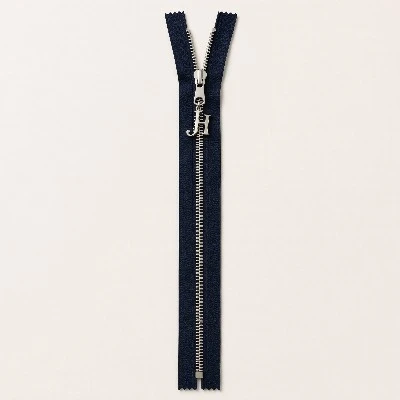


Adjustment slides are a common and critical mechanical component in modern industry and everyday products, widely used in clothing, luggage, outdoor gear, and industrial equipment. Their core function is to achieve tightness control through sliding adjustment, meeting the needs of various usage scenarios. This article will provide an in-depth analysis of the working principle of adjustment slides to help users better understand this simple yet effective mechanical design.
The basic structure of an adjustment slide typically consists of three parts: a rail, a slider, and a locking mechanism. The rail is the base of the slide, providing a track for the slider to move. The slider slides freely on the rail and is locked in place through friction or mechanical locking. The locking mechanism prevents the slider from accidentally sliding once it is adjusted to the desired position, maintaining a stable tightness.
The key to the working principle of an adjustment slide lies in the combination of friction and mechanical locking. When the user pulls the slide, the slider slides on the rail, reducing friction and allowing for easy adjustment. Once the desired position is reached, a locking mechanism (such as a ratchet, spring, or rotating buckle) automatically activates, securing the slider in place through increased friction or mechanical engagement. For example, in a sliding buckle for clothing, the ratchet structure temporarily disengages when pulled and then automatically engages the adjacent tooth groove when released, ensuring precise positioning.
Different types of sliding buckles have different locking mechanisms. Common ratchet buckles provide one-way locking through interlocking teeth, making them suitable for frequent fine-tuning. Rotary buckles, on the other hand, use a knob or threaded mechanism for a more secure lock, making them suitable for industrial equipment requiring high stability. Furthermore, some high-end buckles utilize composite materials or special surface treatments to enhance wear and corrosion resistance, extending their service life.
Deceptively simple, sliding buckles are efficient and reliable, making them an indispensable component in a wide range of applications. Advances in materials science and manufacturing processes have continuously improved modern buckles' lightweighting, durability, and adjustment precision, further expanding their application. Whether used in everyday items or professional equipment, sliding buckles have earned widespread recognition for their practicality and stability.


