


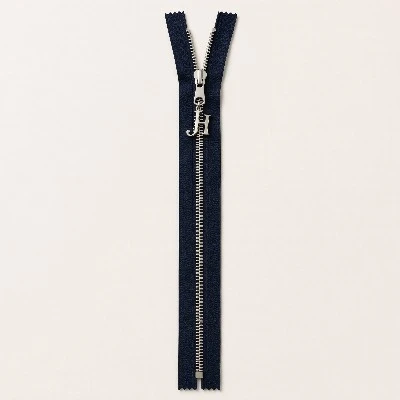


As a key component for connecting and fixing materials, hardware buckles are widely used in clothing, luggage, furniture, industrial equipment and other fields. With the upgrading of the global manufacturing industry and the improvement of consumer requirements for product quality, the hardware buckle industry is facing new opportunities and challenges. This article will discuss the industry development experience, technological innovation and future trends.
Summary of industry development experience
The core experience of the hardware buckle industry lies in the balance between quality stability and cost control. In the early days, many companies relied on low-cost competition, but with the fluctuation of raw material prices and the increase in environmental protection requirements, the simple price war is no longer sustainable. Today, industry-leading companies pay more attention to material selection, process optimization and supply chain management to ensure product durability and consistency. For example, stainless steel and zinc alloy hardware buckles have gradually replaced some plastic fasteners due to their corrosion resistance and high strength, becoming the first choice in the high-end market.
In addition, customized services have become a new trend in the industry. The demand for hardware buckles in different industries varies significantly. For example, the luggage industry requires lightweight design, while industrial equipment requires high strength and wear resistance. Therefore, companies that can provide flexible design and fast proofing are more likely to obtain orders.
Technological innovation promotes industrial upgrading
In recent years, the manufacturing technology of hardware buckles has been continuously improved, and the application of automated production and precision molds has significantly improved production efficiency and product precision. For example, the introduction of CNC processing and 3D printing technology has enabled hardware buckles with complex structures to be produced in small batches to meet personalized needs. At the same time, the improvement of surface treatment processes (such as electroplating, spraying, and nano-coating) not only enhances the rust and wear resistance of hardware buckles, but also improves their aesthetics.
Environmental protection is also an important direction of technological innovation. Traditional electroplating processes have pollution problems, while green technologies such as chromium-free passivation and water-based spraying are gradually replacing traditional methods, meeting international environmental standards and helping companies enter the high-end markets in Europe and the United States.
Future market trends
In the future, the hardware buckle industry will present a pattern of global procurement and regional production in parallel. With the rise of cross-border e-commerce, small and medium-sized enterprises have the opportunity to directly connect with overseas customers, but at the same time they also need to deal with stricter quality standards and delivery requirements. In addition, intelligence and digitalization will become the key to industry upgrading, such as production data tracking and optimized inventory management through the Internet of Things technology.
In short, the hardware buckle industry is transforming from traditional manufacturing to technology-intensive and service-oriented. Enterprises need to keep up with market changes and strengthen technology research and development and supply chain management to gain an advantage in the fierce international competition.


